Perth jaws work hard. They clamp on the drive home from a late shift, on a delayed flight into Terminal 1, on a week-on roster in the Pilbara that turns sleep into a negotiation. In the morning the temples ache, a molar feels taller than its neighbours, and someone at work says you need a night guard the way they say you need a standing desk.
This is a map of grinding, clenching and jaw-joint pain as they actually present in this city — not a promise that a piece of acrylic will give you your twenties back. Dentist Perth does not sell splints. A splint can protect enamel. It does not rewrite a nervous system. For the practice that should examine the teeth before anyone scans you for a guard, start with how to choose a dentist in Perth. For the bill that arrives after the scan, see extras and health funds.
Grinding, clenching, and the joint with a three-letter abbreviation
Bruxism is the habit of grinding or clenching. It can happen in sleep or while you are awake at a laptop in West Perth, unnoticed until a colleague asks why your masseter looks like a walnut. Sleep bruxism is classified as a sleep-related movement; awake bruxism is closer to a tension habit. Many people do both. You do not need a Latin diagnosis to notice a scalloped tongue, flattened canine tips, or a headache that sits in front of the ears.
The temporomandibular joints — TMJs — are the hinges in front of each ear. They slide as well as rotate. “TMJ” as a complaint usually means pain in those joints, the chewing muscles, or both: clicking, locking, a jaw that deviates on opening, a restriction that makes a burger in Northbridge a negotiation. Clicking alone, without pain or lock, is common and often does not need a campaign of treatment.
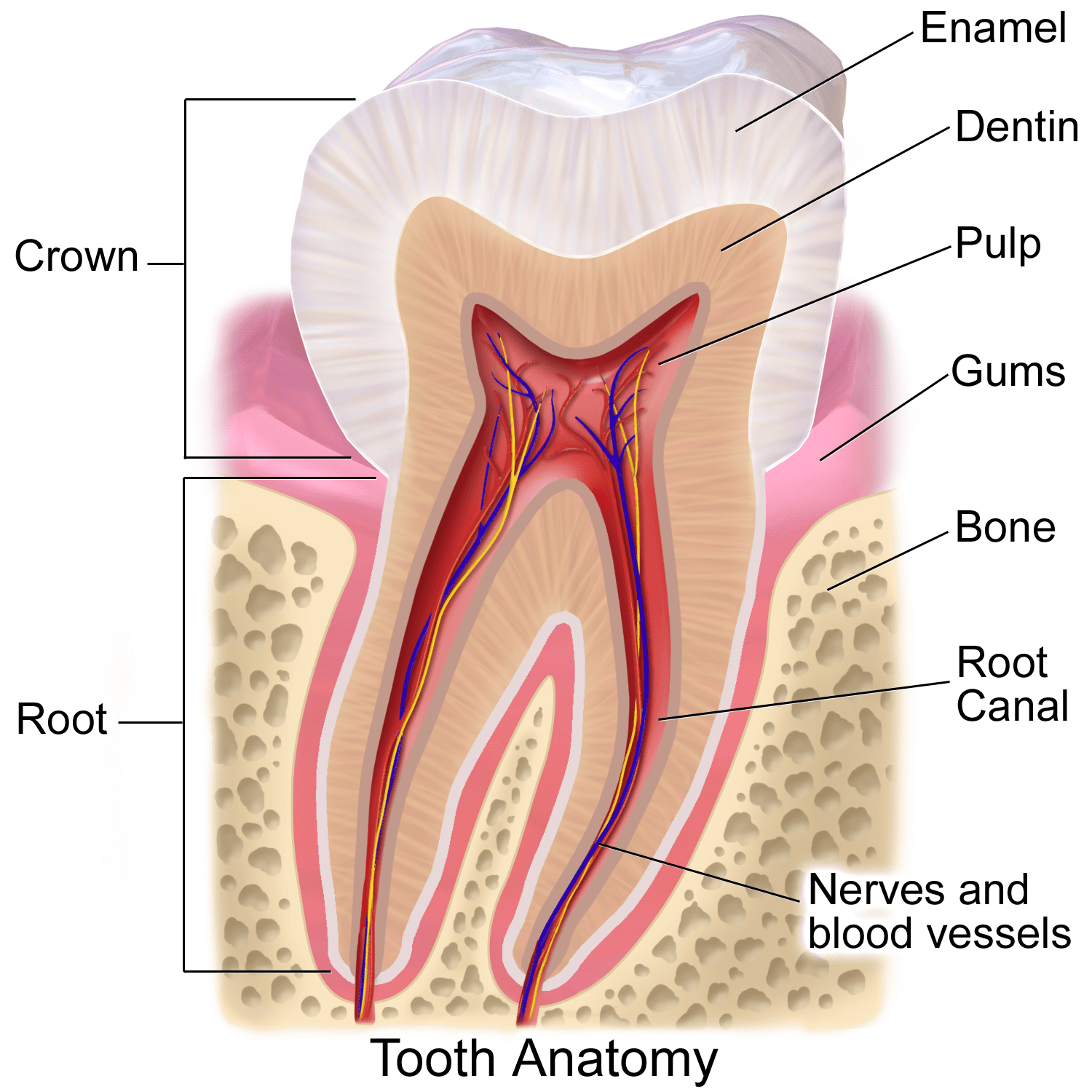
Teeth, muscles and joints share a small neighbourhood. A high filling can make a muscle angry. A muscle spasm can make a sound tooth ache. A cracked tooth can mimic a joint. This is why the first useful appointment is still an ordinary dental examination, not a purchase. Radiographs, a look at wear facets, a check of the joint range, and a medical history that includes sleep, mood, and the tablets you actually take.
Do not accept a same-day leap from “you grind” to a full-mouth reconstruction. Irreversible changes to the bite for muscle pain have a poor reputation for a reason. Get the conservative story first.
FIFO, caffeine, and the week the jaw announces itself
Western Australia’s work patterns are not a footnote. A swing shift, a shutdown, a week of twelve-hour days and a week of catching up on birthdays will scramble sleep. Sleep disruption and stress are strongly associated with sleep bruxism and with muscle pain. So is a stimulant habit that looks ordinary on a mine site or a newsroom: coffee until 4pm, an energy drink for the drive to the airport, a vape on the verandah because the rooms are dry.
None of that makes grinding your fault in a moral sense. It does mean a splint sitting in a bathroom cupboard in Canning Vale will not outrun four Red Bulls and five hours of sleep. If you want the conservative list that actually moves the needle:
- Cut caffeine after lunch for a fortnight and see whether the morning ache changes. This is an experiment, not a personality rebuild.
- Alcohol late at night fragments sleep for many people and is a poor muscle relaxant, however it feels at 10pm.
- Chewing gum “to relax the jaw” is overtime for the same muscles that already hurt.
- Phone-cradling and a laptop that forces the chin forward on the couch are neck problems that the jaw inherits.
- A mouth that dries out all night — air-conditioning, CPAP, netting, antihistamines — makes surfaces stickier and pain easier to notice.
If you snore loudly, stop breathing, or wake unrefreshed after a full rostered sleep, that is a sleep-apnoea conversation with a GP, not a reason to buy a thicker guard. Some oral appliances exist for snoring and apnoea; they are a different device, fitted to a different prescription. Do not let a clinic blur them.
What a splint is for — and what it is not
A custom occlusal splint is a hard or dual-laminate plate, usually worn on the upper teeth at night, made from moulds or a scan. The aims that hold up are modest: stop the lower teeth from wearing the uppers into flat paddles; give the joints a stable contact; reduce the damage when you do clench. Pain sometimes eases. Pain sometimes does not. A clinician who says “this will cure your TMJ” is selling.
Fit matters. A splint that rocks, that hits on one canine, or that you cannot seat after a cold night on the verandah will create the problem it was meant to soothe. You should go back for adjustment. You should bring it to check-ups. You should clean it like a device that sits in your mouth for a third of your life, not like a retainer you lost in Year 10.
Pharmacy boil-and-bite guards are cheaper. They are also bulky, soft, and easy to chew through on a long swing. Some people clench more on something squashy. Use one as a weekend test if a tooth is already chipping and you cannot get in until Thursday. Do not treat a $40 tray as two years of protection.
Hard acrylic in a custom splint in Perth typically costs in the mid hundreds to a little over a thousand dollars in 2025–2026, before extras. That is a broad estimate, not a quote. Extras may contribute after a waiting period, under a limit that also has to cover the examination and any radiographs. Ask for the item numbers in writing. A “TMJ splint” and a “bleaching tray” are not the same object.
If the dentist suggests a splint, ask:
- What problem, exactly, is it meant to protect or change?
- What happens if I still wake in pain in six weeks?
- Who adjusts it if I am on site for twenty-one days?
- What is the plan if I do not wear it — because many people do not.
Non-wear is the most common outcome. A splint in a drawer is not a treatment failure of the acrylic. It is information.
When to stay with the dentist, when to see a GP, when to ask about a specialist
See the dentist if teeth are chipping, a crown keeps coming off, you crack fillings, you wake with tooth pain, or the jaw pain started after a new restoration. See them if you cannot chew on one side and you want to know whether the cause is a tooth. A scale and clean is not the treatment for a joint, but the appointment is often when wear is first noticed.
See a GP if the pain came with fever, trauma, sudden bite change after a blow, swelling that is spreading, dizziness, chest pain, or neurological symptoms. Ear pain deserves an ear examination; not every pain in front of the ear is a TMJ. A GP is also the right door for sleep apnoea screening, for depression and anxiety that have arrived with the pain, and for medicines that are already on the list — including whether a muscle relaxant or a pain-modulating tablet is even appropriate. Dentists and GPs should be allowed to talk to each other. You can make that happen by asking for a short letter.
Specialist pathways exist. An oral and maxillofacial surgeon is for structural joint problems, trauma, and the rare case that needs imaging beyond an ordinary OPG. A prosthodontist is for complex bite reconstruction, not for a first-line muscle ache. An orofacial pain clinic or a dentist with extra training in TMD can help when conservative care has been honest and insufficient. A physiotherapist who actually treats jaws — not only gym shoulders — is often the most useful allied-health referral in Perth, and is under-used because it sounds less medical than a splint.
Surgery for clicking is not a default. Injections into joints and muscles are not a first visit. If a plan jumps there without a month of habit change, physiotherapy and a review of the bite for simple interferences, get another opinion. Second opinions are ordinary; our choosing a dentist piece says so for implants, and it applies here.
What you can do this week that is not a device
Notice when the teeth touch during the day. Teeth at rest are slightly apart. A reminder on the monitor — “lips together, teeth apart” — is unfashionable and useful. Apply warmth to the masseter in the evening. Eat softer food for a few days if you are in a flare; this is a rest, not a diet. Stop testing the click for friends.
If you already have a splint, wear it for the next fourteen nights and keep a two-line diary: hours of sleep, morning pain out of ten, caffeine after 2pm. Bring that to the dentist. It is more informative than “I think I grind”.
If the pain is new, severe, or one-sided with ear discharge or hearing change, do not wait for a routine check-up. If a tooth is the loudest symptom tonight, use the toothache tonight guidance and the emergency dentist path rather than chewing on the other side until Monday.
Jaw pain has a reputation for attracting confident theories — posture gurus, bite reconstruction, a particular pillow. The boring version still works more often: protect the teeth if they are being destroyed, calm the muscles, sleep, and refer when the story is not a muscle story. Nobody here can promise you a cure. Anyone who does is not reading the same literature.
This is general information for Perth and WA readers, not a diagnosis. A registered dentist and, when needed, a GP should see you before you commit to a splint, a medicine, or a specialist.