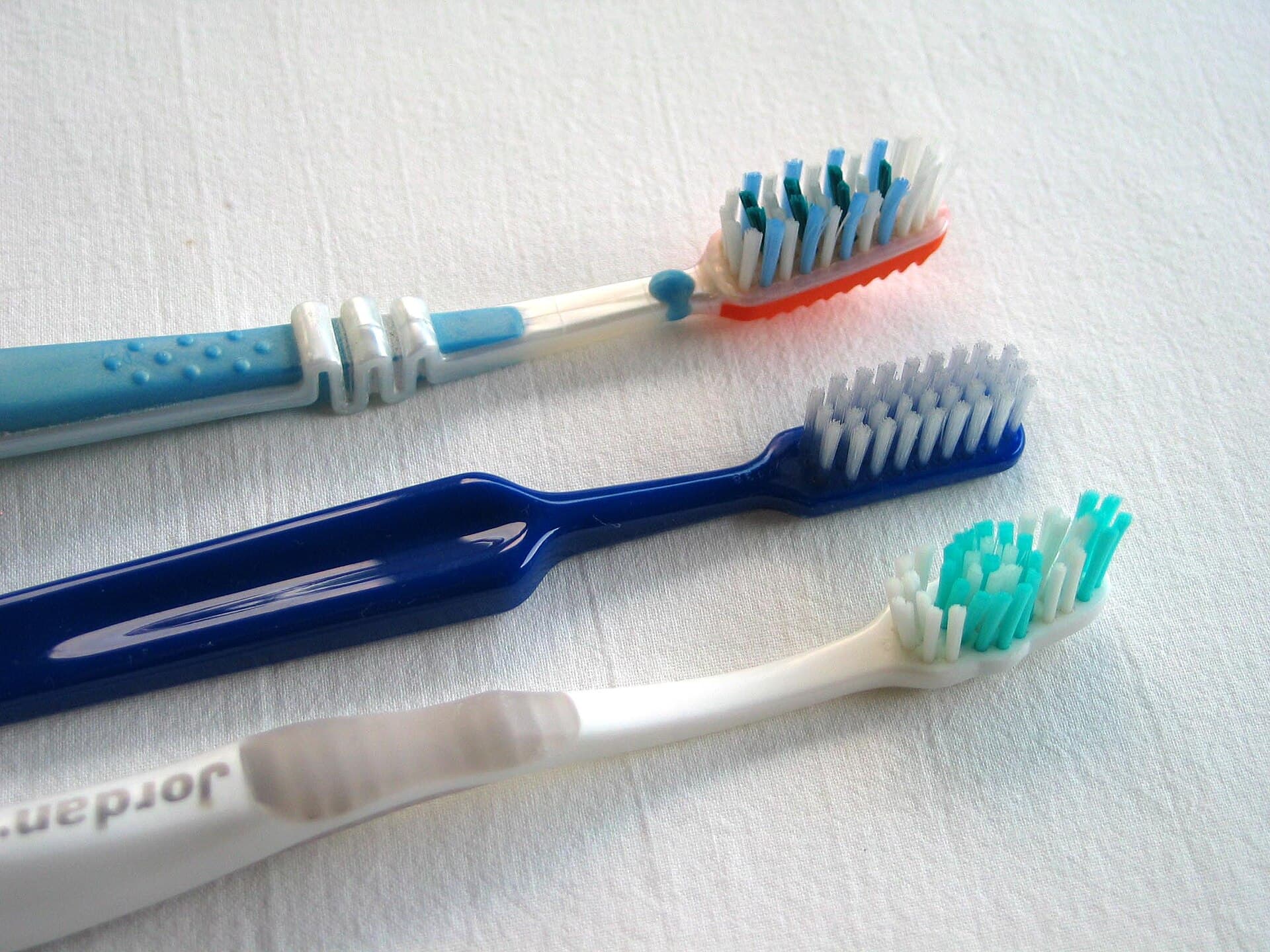
Australian bathrooms are full of devices that promised to close the gap between intention and enamel. The latest handle has a pressure sensor, a Bluetooth score and a travel case that does not fit in a Djerriwarrh-bound toiletry bag. The old manual brush still sits in the cup, splayed, because someone used it to clean the grout.
This is a household guide, not a product test. Dentist Perth does not rank brands and does not take a cut of a replacement-head subscription. The clinical literature, in summary, says oscillating-rotating and some sonic brushes can remove a little more plaque than a manual brush in study conditions. The same literature says technique, time and fluoride still do the work that matters. If your gums bleed, start with preventing gum disease rather than with a more expensive motor.
What the gadget is actually for
A toothbrush has one job: disrupt the biofilm on every surface you can reach, without carving a notch into the root. Electric handles help in three unglamorous ways. They move the bristles so your wrist does not have to. They time two minutes so a bleary 6am in Balga lasts longer than thirty seconds. The better ones buzz when you lean on the gum like you are scrubbing a barbecue.
That is the whole case. An electric brush will not straighten teeth, whiten enamel by a shade that shows on a ferry to Rottnest, or reach between molars. It will not compensate for a diet of dried mango and a clean that last happened in 2022. It will not replace the interdental brush. People who buy a handle and abandon floss have purchased a quieter way to clean the same three surfaces.
Manual brushes remain entirely respectable. A small, soft head, used in short strokes or a gentle circular motion, tooth by tooth, is how most of the world still keeps teeth. If you already do this, you do not owe a department store a hundred dollars. If you do not — if you saw at the gumline, miss the insides of the lower incisors, and finish when the news theme starts — an electric timer is a cheaper intervention than a first crown.
Small heads beat heroic bristles
The marketing instinct is a large, stiff head that looks like it means business. The mouth prefers the opposite. A compact head turns at the back molars, especially in a small jaw or in a child. Soft bristles flex into the gumline instead of painting it raw. Medium and hard brushes are how people get receding gums and then blame “getting older”.
On an electric handle, the replacement head is the part that touches the tooth. Buy the smallest soft head the brand makes unless a clinician has told you otherwise. “Whitening” and “floss-action” heads are usually the same nylon in a louder shape. Orthodontic heads exist for braces; they are a reasonable exception.
On a manual brush, the same rules apply. The $3 supermarket brush with a small soft head is a better tool than a $12 “advanced” forest of rubber spikes. Replace it when the bristles lean. A flared brush is a worn tyre. You would not drive to Albany on those.
Angled handles and tongue scrapers built into the back of the head are optional. If you are buying a brush to deal with breath, read bad breath in Perth — the tongue matters, the gadget on the back of a cheap brush often does not.
Technique, in sentences you can use at the sink
Electric: place the head on each tooth and let it work, then move. Do not scrub as if the motor were broken. Outside, inside, chewing surfaces. Hold the handle like a pen, not a hammer. If it has a pressure light, treat the light as information, not as a score to beat. Spit the paste; do not rinse the fluoride down the plughole.
Manual: the same surfaces, the same two minutes, a short stroke. The Bass-style method — bristles toward the gum at forty-five degrees, a tiny wiggle — is the one dentists still teach because it cleans the sulcus. You do not need the name. You need to stop using the brush as a saw.
Whichever handle you hold:
- Twice a day, not once with feeling.
- Fluoride toothpaste matched to age. See fluoride, Perth tap water and children’s teeth if the household argument is about the tap rather than the brush.
- Something between the teeth, daily. The brush does not go there.
- A two-minute sand timer from a two-dollar shop works if you refuse a charging cable.
People with receding gums, exposed roots or a heavy hand should be shown, in a chair, how light “clean” can feel. A hygienist’s five minutes of coaching is worth more than a new model year.
Children, shared bathrooms, and the charger debate
Children do not fail at brushing because they lack lithium. They fail because they are seven and the canine is wobbly and the bus is coming. An electric brush with a small head and a two-minute pulse can turn the job into a game. It can also become another thing to chew, drop in the toilet, or fight over.
Use a children’s head, not an adult oval in a small mouth. Supervise until they spit reliably and stop biting the bristles. Store the handle upright and out of the bath splash if you can; Perth bathrooms in a rental often cannot, so rinse the handle and accept the world.
A family of four on electric heads is a logistics problem. Colour rings exist because siblings steal. Replacement heads are easy to forget on a Coles run. A manual brush for school camps and FIFO swing bags is not a betrayal of the brand. It is how teeth get cleaned in a donger with two power points.
If a child has sensory issues, an electric buzz can be intolerable. That is a reason to stay manual, not a reason to skip brushing. Occupational therapists and paediatric dentists deal with this often. Ask, rather than forcing a handle that makes the child gag.
Teenagers who will not charge a device will not charge this one. Give them a manual brush they will actually use. Virtue is not the point.
What it costs over the years, in the boring arithmetic
A decent manual brush is a few dollars, four times a year: roughly $15 to $25 a year, less if you wait for a supermarket special. A mid-range electric handle in Australia in 2025–2026 often sits somewhere between $80 and $250. Name-brand replacement heads are commonly $10 to $20 each, and you want four a year. Over five years, a $150 handle plus $60 of heads a year is about $450 before you lose the charger. A $10-a-year manual habit is about $50 to $125.
Those are household estimates, not recommended retail. Warehouse clubs and chemist own-brands close the gap. Counterfeit heads on a marketplace open a different gap: bristles that fall out, and a fit that wobbles. Buy heads from somewhere that will still exist if they shed.
The electric brush only “wins” on money if it prevents a filling or a clean that extras will not fully cover. That is plausible for the person who never used to reach two minutes. It is fantasy for the person who already brushes well and is shopping for a marginal gain. Do not finance a handle. Do not add it to a treatment plan as if it were a medical device your fund must rebate. Some extras products contribute to “dental extras” or “health appliances”; many do not. Read how extras work in Perth before you wave a membership card at a toothbrush.
Batteries and charging bases fail. USB-C is slowly replacing proprietary stands, which is a mercy for travel. If you fly between Perth and site, a manual brush in the carry-on is the backup that does not depend on a hotel outlet behind a bedside table.
Who might actually benefit
An electric handle is worth a serious look if you have limited dexterity — arthritis, a stroke, a tremor — because the motor supplies the motion. It is worth a look if you are a heavy-handed brusher and the pressure sensor is the only feedback you will accept. It is worth a look if you are a parent who needs a timer that is not you standing in the doorway. It is worth a look if a hygienist has shown you plaque on the insides of the lower teeth and you are willing to be bored for two minutes.
It is not the next step after every scale and clean. It is not a requirement before choosing a dentist. It is not more important than stopping smoking if your gums are the problem.
Share a handle only if you change the head. That sentence should not need writing. It does.
A short way to decide this weekend
If you already brush well with a manual, keep it, replace it, and spend the money on interdental brushes. If you do not brush well, buy either a new small soft manual and a two-minute timer, or a mid-range electric with cheap, available heads — not the top of the range with an app you will ignore. Stand in the bathroom and clean the insides of the lower front teeth, which is the surface almost everyone misses. Then leave the shop.
Preventive care is a habit in a climate that dries your mouth out and a city that makes you late. The handle is optional. The two minutes are not.
This is general information for Australian households, not a product endorsement or personal dental advice. Ask a registered dentist or hygienist to watch you brush if you are unsure whether the tool or the technique is the problem.