October in Perth is when extras limits start to look theoretical. The January clean is a memory. The child’s fissure sealants took a bite. Someone had a crown after a cracker at a wedding in Fremantle. What is left on the general-dental cap would cover a scale and clean if nothing else goes wrong, and the gums have been bleeding since the school holidays.
This is not a lecture about moral flossing. It is a distinction that matters more than the remaining dollar figure: gingivitis can settle when plaque is removed; periodontitis is loss of the bone and ligament that hold the tooth. A hurried clean in the last fortnight of the extras year can help the first and only begin to map the second. For how those limits actually work, read health fund extras in Perth. For how often a clean is justified at all, see how often you need a scale and clean.
Gingivitis is a message. Periodontitis is a ledger.
Healthy gums are pink or brown according to the mouth, sit tight against the tooth, and do not bleed when you clean them. Gingivitis is the reversible inflammation that arrives when plaque sits along the gumline. The gums swell, look redder, and bleed on brushing or flossing. It is common. It is also the stage at which home care still changes the plot.
Periodontitis is what happens when that inflammation runs for long enough, in a susceptible person, that the attachment between tooth and bone breaks down. Pockets form. Bone recedes. Teeth can drift or loosen. The patient often notices late — bad breath that mints cannot cover, a tooth that feels longer, a molar that moves on a crusty roll — because periodontitis can be quiet while gingivitis is dramatic.
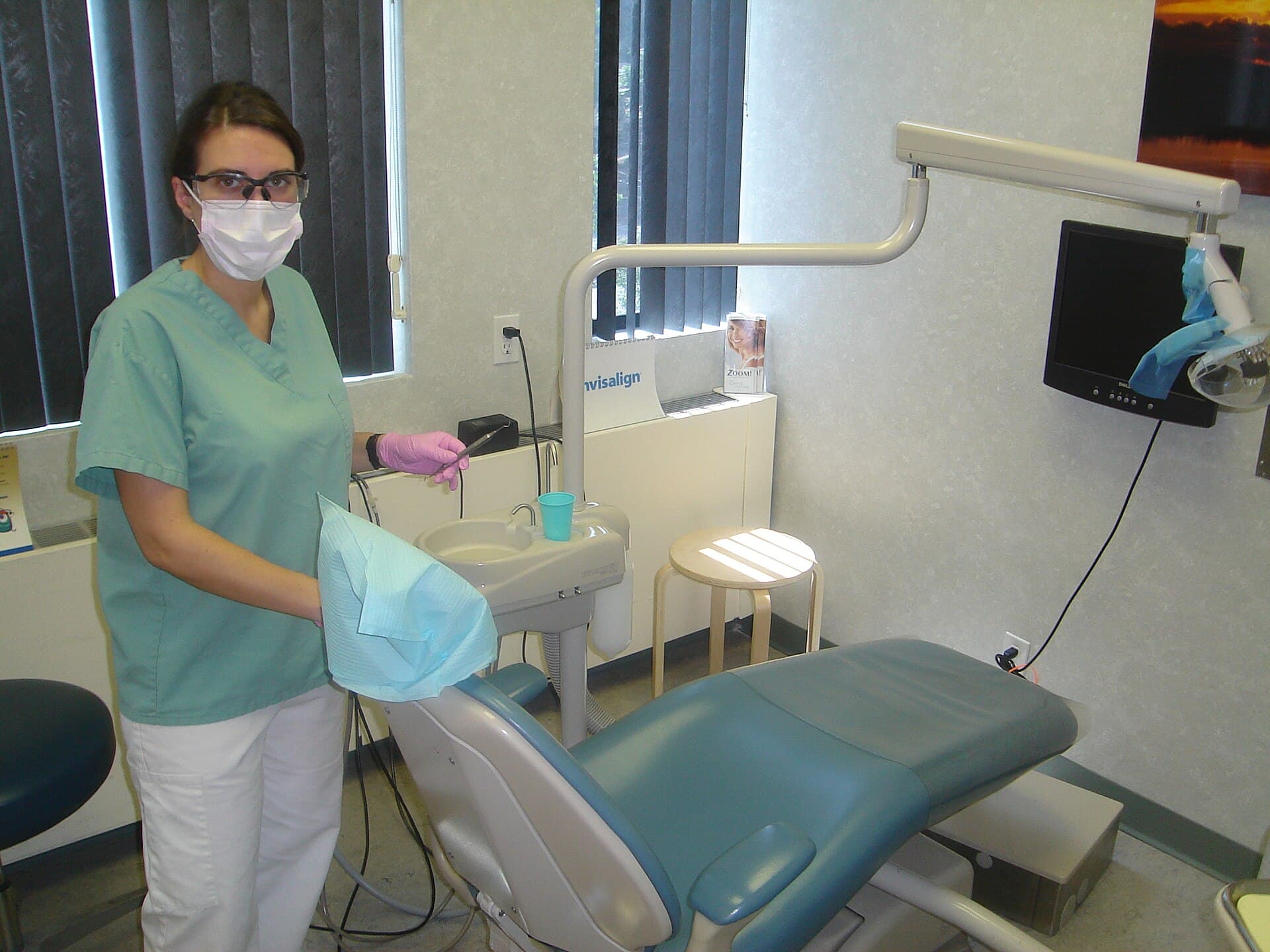
You cannot tell the two apart in a bathroom mirror with certainty. A dentist or hygienist measures pocket depths, looks at bone on radiographs when needed, and asks about smoking, diabetes, medicines that dry the mouth, and family history. That examination is the item people skip when they book “just a clean” in November to use the fund.
Bleeding is not a reason to stop cleaning. It is a reason to clean more carefully for two weeks and then get the numbers checked if nothing changes. Stopping floss because it bleeds is like stopping walking because you are unfit.
The extras year is a billing year, not a biological year
Health funds reset on a date that has nothing to do with your gums. Preferred-provider promotions lean on twice-yearly cleans because that is a product design, not a pathology. If you have $180 left and a mouth that has not been examined since 2023, spend it on the examination and the clean you actually need — or on the clean plus bitewings — rather than on a whitening add-on that will not touch a pocket.
If the limit is already gone, you are not forbidden from dentistry. You are uninsured for the gap. That is painful in a year when power bills and school fees have already landed. It is still cheaper than waiting until a molar is mobile. Our costs and cover hub is the map for that decision; finding a dentist in Perth is the map for who should do the work.
Clinics feel the same seasonal rush. Books in late November fill with people who want “the clean I get every year”. Say, on the phone, if you have bleeding, loose teeth, diabetes, or you smoke. That is how you get a longer appointment instead of a twenty-minute polish that leaves the story unread.
What actually prevents gum disease at a sink in Stirling
Plaque is a biofilm. You disrupt it with a brush and with something that fits between the teeth. Mouthwash is a supporting actor. It is not the lead.
Brush twice a day with a fluoride toothpaste, two minutes, systematically — outer surfaces, inner surfaces, chewing surfaces — without sawing at the gumline. A soft head, replaced when the bristles flare, beats a hard brush bought because it looked “deeper”. Technique still outruns gadgetry; if you are choosing a brush, read electric versus manual toothbrushes and then pick the one you will charge or not lose.
Between the teeth, string floss is one option. Interdental brushes are the option many Australian periodontists wish adults would try sooner. They look like tiny bottle brushes. They come in sizes. The size that squeaks through without force is the size you want; a brush that buckles is too big, a brush that vanishes without resistance may be too small. Pharmacies in Perth stock them. So do supermarket health aisles, with less range.
Use them once a day, preferably at night, when you are not already late for the Mitchell Freeway. Water flossers help some people with braces, bridges or limited dexterity. They do not replace a brush on the gumline. If your hands hurt from arthritis, ask the hygienist to watch you. Adaptation is ordinary.
A few habits undo a careful night:
- Grazing from 4pm until the late news, so the gumline never sees a quiet hour.
- Smoking or vaping, which hides bleeding and worsens periodontitis. The gums of a smoker can look deceptively neat while bone disappears.
- Dry mouth from medicines, CPAP, or simply from sleeping with your mouth open in an air-conditioned bedroom in February.
- A “set and forget” night guard that you never clean, or never wear.
Smoking, diabetes, and the rest of the medical history
Periodontitis is not only a hygiene failure. It is an inflammatory disease with risk factors. Smoking is the one dentists can see from the waiting-room smell and still have to ask about, because people under-report. Cessation helps gums in a way that a more expensive electric brush does not. If you are not ready to quit, say so honestly so the maintenance interval can be shorter. Lying to spare the lecture wastes everyone’s time.
Diabetes and gum disease share a two-way irritation. High blood glucose makes infections and inflammation harder to settle; inflamed gums make glucose harder to settle. If you have diabetes, the dental exam is not a separate hobby. Take the latest HbA1c if you know it. Mention hypos, mention if you have delayed healing. A scale and clean is still appropriate; the clinic may want a different appointment length or a medical clearance only in specific situations, not as a general barrier.
Pregnancy changes gums. They bleed more easily. That is not a reason to skip cleaning; it is a reason to be gentle and to keep the appointments. See oral health in pregnancy rather than waiting until after the birth because you are embarrassed about bleeding.
Medicines that reduce saliva — common blood-pressure tablets, antidepressants, some bladder drugs — change the mouth’s ability to wash itself. So does a dry FIFO donger and a night of split shifts. Sip water. Chew sugar-free gum if the jaw allows it. Tell the dentist the tablet names, not “something for sleep”.
Family history is real. If a parent lost teeth to “pyorrhoea” in their fifties, you are not doomed, but you are not a twice-a-decade clean person either.
What a scale and clean can do in the last month of cover
A routine scale and clean removes calculus — the mineralised plaque a brush will not shift — and polishes stain. In a mouth with gingivitis and a few weeks of better home care, that can produce a dramatic drop in bleeding. People leave feeling virtuous and then stop the interdental brushes in January. The extras year is not a sacrament.
If periodontitis is already present, the first clean is partly diagnostic. The clinician is feeling what comes off, where the pockets are, whether there is pus, whether a tooth is moving. You should leave with a sentence that is not “see you in six months” if the chart shows deep sites. The next step may be further cleaning under the gum, a shorter review, or a referral to a periodontist. None of that is upselling by default. Some of it is how you keep the tooth.
Limits on extras often split “general dental” from “major dental” and from periodontal item numbers. A deep clean may not come out of the same pot as the November polish. Ask the fund and the clinic which item numbers they intend to use before you nod in the chair. Preferred-provider “no gap clean” promotions usually mean a simple scale and clean, not periodontal therapy.
If you cannot afford the full plan this year, ask what must happen now and what can wait until the fund resets. Honest rationing is better than a silent six-month gap. For the public options if private fees are impossible, see public versus private dental care in Western Australia.
A fortnight at home that is worth more than a new mouthwash
Buy interdental brushes in two neighbouring sizes if you are unsure. Use them every night for fourteen days. Brush without rushing. Stop smoking if you were already looking for a reason that is not abstract. Drink water when you would otherwise finish a third coffee on the desk. If you wear a partial denture, take it out at night and brush the gums underneath.
Then book the examination, not only the clean. Say the extras situation on the phone so nobody is surprised at the desk. If bad breath is the symptom that got you here, it may be the gums — or it may not; bad breath in Perth is a separate, overlapping piece.
Gum disease is mostly a long story. The extras calendar is a short one. Do not let the short story set the interval for the long one.
This is general information for Perth readers, not a diagnosis or a treatment plan. A registered dentist or hygienist needs to see your mouth before anyone can say what your gums are doing.