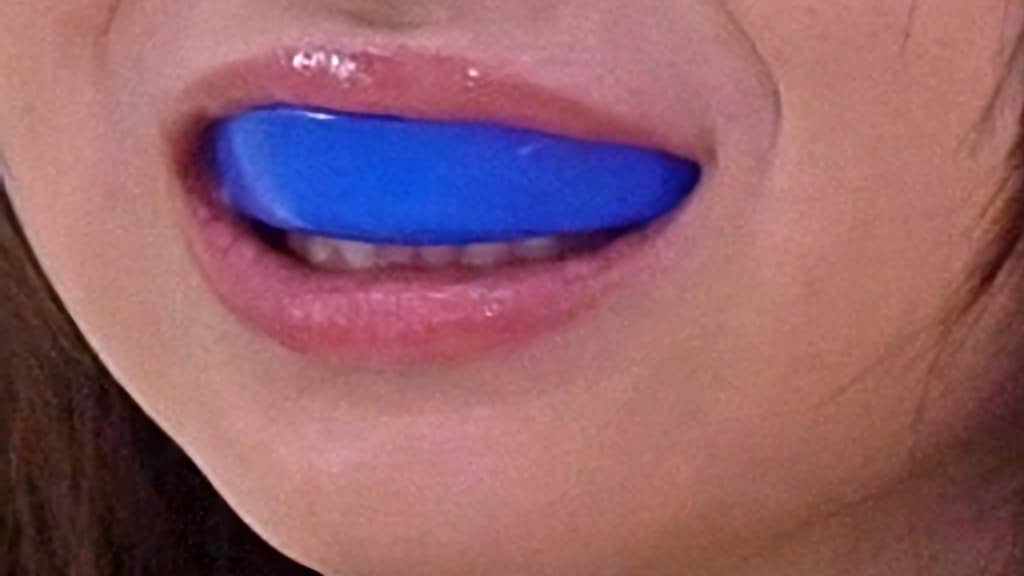
Perth sport happens in heat, on hard grounds, and in games that still treat the face as an acceptable risk. Junior AFL on a Saturday in Mandurah, mixed hockey under lights in Como, netball on outdoor courts that do not forgive a fall, cricket in the last hour when the ball is older and the slips are bored. A mouthguard works when it is in the mouth, thick enough in the right places, and made for the teeth that are actually there this season. A fluorescent thing in the bottom of a kit bag is a compliance story for the coach, not a piece of equipment.
This is not a brand test and not a club sponsorship. Dentist Perth does not sell guards. It is a guide to custom versus boil-and-bite, which sports actually knock teeth out in WA, when to replace a guard after growth or braces, and why the most expensive tray in the suburb is useless if it sits in the car. If the child has not yet had a calm first visit, start with a child’s first dentist visit in Perth. If you are choosing the practice that will take the impression, how to choose a dentist in Perth still applies.
What a guard is for
A sports mouthguard is a shock absorber between the upper teeth and whatever is coming — a ball, an elbow, a hip, the ground. It spreads force, reduces the chance of a clean fracture or an avulsion, and gives the soft tissues something other than enamel to hit. It does not make you invincible. It does not replace a helmet in hockey or cricket, and it does not fix a club culture that treats head knocks as character.
Most guards are worn on the upper teeth. Some double-arch designs exist; they are bulkier and they can make breathing and shouting harder, which is how they end up in a pocket. A lower-only guard is uncommon. If you wear a bonded orthodontic retainer or you have a large overjet — upper teeth well forward — tell the person making the guard. The shape of the risk is not the same in every mouth.
Braces need a guard designed around brackets, or a specialised cover, so the appliance does not become shrapnel inside the lip. After braces, a new guard is part of retention life; the after braces piece is about wires and plastic at night, but the daytime sport tray has to fit the new alignment too.
A guard will not prevent every concussion. Anyone who tells you otherwise is selling foam. Wear it anyway. Teeth are expensive and they do not grow back.
Custom versus boil-and-bite
A custom guard is made from a model or a scan of your teeth, in a laboratory or a practice workshop, usually in layered ethylene vinyl acetate or a similar material. Thickness can be specified for the sport. The fit should be retentive — you should be able to open and shout without holding it in with your teeth. Edges are trimmed away from the frenulum and the palate enough that you can breathe. Colours and club designs are optional. Fit is not.
A boil-and-bite guard is a stock shell you soften in the kitchen and bite into. Some fit reasonably if you follow the instructions, keep the water at the right temperature, and do not over-boil the material into a thin pancake. Many fit like a cheap slipper: bulky at the back, loose at the front, impossible to talk in. Children bite through them. Adults leave them on a bench because they gag.
Stock “one size” guards that you do not even mould are the worst of the chemist aisle. They are better than an open mouth only in the sense that a tea towel is better than nothing in a flood.
Broad Perth private fees for a custom sports mouthguard in 2025–26, as estimates, often sit from a little under a hundred dollars into the low hundreds, depending on layers, colours and whether a new impression is needed. A boil-and-bite from a chemist is tens of dollars. The custom fee looks large until you price a single front-tooth root canal and crown, or a child’s general anaesthetic to deal with trauma. Estimates only; your invoice will differ.
University clinics and some public pathways may offer guards more cheaply. Club bulk orders through a local practice are common in the weeks after registrations open. Book early. February and March in Perth are when every junior AFL club remembers at once.
AFL, hockey, netball, and the sports people forget
Australian football is the obvious one: high marks, hips, and a ball that is not soft. Junior competitions increasingly expect a guard. Expecting is not checking. Walk along a boundary in the hills on a Saturday and you will still see children talking with empty mouths.
Hockey is worse than people admit. A hard ball, a stick, and a short corner are a dental clinic’s winter. A cage on a helmet for some positions does not make a guard optional for everyone else. Indoor hockey in school gyms is not safer; the ball is still a ball.
Netball produces fingers and faces. Contact is not meant to be the point. Elbows still find mouths, especially in mixed and in the last quarter. Outdoor hard courts in summer add the ground as a third player.
Cricket: batters in helmets still lose teeth to a ball that sneaks under the grille, and close-in fielders take knocks they did not expect in a social grade at Richardson Park. Basketball, water polo, BMX at a skate park in the northern suburbs, martial arts, and weekend soccer — particularly when adults play like they are still twenty — belong on the same list.
Cycling on the freeway path is not usually a mouthguard sport. A fall on a mountain-bike trail can still be. Use judgement. If the club or the school writes “mouthguard mandatory”, that is the floor, not a debate.
Swimming is not a mouthguard sport. Wearing one in the water is a choking hazard. Take it out.
Fitting, wearing, talking
A custom guard should click into place and stay. If you have to clench to keep it in, the fit is wrong or you have been sold a shape that ignores the undercuts of your teeth. Go back. A remake on a new model is a reasonable request if the practice poured a bad impression or the laboratory under-extended.
You will talk with a lisp for a game or two. That is adaptation, not a reason to take it out before the first bounce. You should be able to breathe through your nose and, with practice, through your mouth around the guard. If you cannot breathe, the palatal coverage is too much or the thickness is wrong. That is a remake, not toughness.
Flavour and colour do not change performance. A very dark guard can be harder to find in the grass at Perry Lakes. A very pale one stains. Children lose the fluorescent ones just as fast as the white ones. A name in permanent marker on the outside, and a case in the bag, are more useful than a club logo.
Never cut a custom guard down with kitchen scissors to “make it more comfortable”. You can take the protection off the tooth that needed it. If an edge rubs, the practice can trim it.
Do not wear someone else’s. Moulds are personal. So is the bacteria.
Growth, braces, and when last year’s guard is a souvenir
Children’s mouths change. Adult incisors arrive. Arches widen. A guard made in March can be loose by the royal show. A loose guard is a choking risk and a poor absorber. Replace it when it rocks, when new teeth have nowhere to sit, or when the child has to bite to keep it in.
A simple rule that works for many families: reassess every season, and remake after a growth spurt or a change in the front teeth. That may mean every year through the mixed dentition. It is still cheaper than trauma.
Orthodontic adjustments change the fit in weeks. If the child is in braces, ask the orthodontist and the general dentist who owns the guard who will remake it and how often. Aligners come out for sport; a guard goes in. Do not play contact in clear aligners and call that protection. The clear aligners piece is about movement; this one is about not undoing it with an elbow.
Adults need remakes too. A new crown, a new veneer, or a night of grinding that changed a chipped edge can stop a guard from seating. After any cosmetic work on the front teeth, assume the old tray is retired.
Wisdom-tooth eruptions at the back are a lesser fit issue than the front six, but a guard that now hits a raw operculum will not be worn. Trim at the practice, or remake.
Care, smell, and the bag in a hot car
Rinse after the game. Occasional mild soapy water. Leave it to dry in a ventilated case, not in a sealed lunchbox with a wet sock. Hot water warps custom material the same way it moulds a boil-and-bite. A dashboard in a Rockingham car park in January is an oven. The guard will shrink or twist. Then it will look fine in the case and feel wrong on the teeth.
Replace a guard that is chewed through, delaminating, or permanently smelly after a clean. Material fatigue is real. So is fungal growth in a case that never dries. Do not share cases. Do not boil a custom guard to “freshen” it.
Pets eat them. So do younger siblings. The kitchen bench after a Sunday game is not storage.
If the guard has been in a mouth with a known infection, or if several children have been swapping kit, replace it. That should not need saying. It still happens in junior rooms.
Who pays, and who refuses
Some extras tables rebate a custom sports mouthguard as a preventive item, sometimes once a year, sometimes with a sub-limit that covers most of a straightforward tray and not a deluxe laminate. Waiting periods apply. Preferred-provider lists may change the gap. Read health fund extras in Perth and then ask for the item number.
The Child Dental Benefits Schedule is a Medicare benefit for basic dental care. Do not count on it for a sports guard. Confirm against the current item list if a clinic suggests otherwise, and do not spend a child’s remaining cap on equipment if they have untreated decay. The CDBS in Western Australia piece is the wallet guide.
School and club programs sometimes subsidise a bulk run. Ask what you are actually getting — custom from a dentist-supervised impression, or a moulded stock guard in a hall. Both can be useful. They are not the same product.
Broadly, if money is the constraint, a well-moulded boil-and-bite that the child will wear beats a custom guard that stays in a drawer because the family was saving for “the good one” and the season has started. Then save for custom for next season. The family dentistry question is participation, not perfection.
After a knock, the guard is not the diagnosis
If a tooth is loose, moved, chipped, or gone, get to a dentist the same day. Bring the tooth if it is a permanent one, in milk if you can, and do not scrub it. Baby teeth have different rules; do not ram a baby tooth back in. Swelling, a bite that suddenly feels wrong, or a grey tooth the following week are all reasons to be seen. This is emergency dentistry, not a mouthguard review.
The guard may have cracked. Bring it. It is a clue to the force and a reason to remake before the next game. A bloodied guard is not proof the equipment failed. It may be proof it did its job and the lip still paid.
Concussion protocols belong to the club and the doctor. A dentist can deal with the mouth. Do not let a “you’re fine, get back on” culture decide a front tooth.
A short method before the first bounce
- Decide whether this sport actually hits faces. If the club requires a guard, that answers it.
- Book a custom impression early in the pre-season, not the Thursday before round one.
- Fit-check: it stays in when you open, you can breathe, and nothing rubs raw.
- Put the case in the bag you take to the ground, not the bag that stays in the boot.
- Reassess after growth, new front teeth, braces changes, or any new crown.
- After a facial knock, see a dentist even if the guard is still in one piece.
Then wear it for the game you paid the registration for. Equipment in the bag is not a clinical intervention.
This is general information about sports mouthguards as they usually meet Perth families and weekend sides, not a club rulebook and not a personal fitting. Your dentist and the competition’s safety code decide the minimum; a guard left in the car does not.