Wisdom teeth have a public relations problem. They are blamed for crowding that started in Year 8, for every sore jaw after a cold, and for a generation of “get them all out at twenty” advice that did not always look at the film. They are also a genuine source of infection, decay and miserable weekends in Perth share-houses when a flap of gum over a half-erupted lower third molar meets a festival and a hangover.
This is a decision guide, not a booking form. Dentist Perth does not take teeth out. If you are in spreading swelling or cannot swallow, skip ahead to urgent care and the emergency dentist guide. If you have a quiet film and a quote, stay here. The parent topic is restorative dentistry, because removal is only one of the ways a back corner of the mouth gets managed.
What a wisdom tooth is actually doing
Third molars arrive last, often in the late teens or early twenties, sometimes later. Some erupt straight and meet a matching tooth. Some tilt into the molar in front. Some stay buried in bone. Some sit under a hood of gum that collects food and cannot be cleaned with an ordinary brush in a Midland bathroom.
The problems that matter clinically are specific:
- Pericoronitis: infection around a partly erupted tooth, usually a lower. Pain, swelling, a bad taste, difficulty opening. It can settle with cleaning, salt water, and sometimes antibiotics from a dentist or doctor. It can also come back every time you are run down.
- Decay in the wisdom tooth, or in the back of the second molar where a brush cannot reach.
- Gum disease in a trap you will never floss.
- A cyst around an unerupted tooth — uncommon, but a reason films matter.
- A tooth that is already broken, decayed beyond restoration, or sitting in the way of other necessary work.
- Recurrent infection that is not a one-off after a cold.
Crowding of front teeth is a weaker argument on its own than many families were told. Orthodontists and oral surgeons still debate how much a third molar pushes the others. Do not extract four healthy, cleanable teeth solely because a Year 11 smile “might crowd”. Ask what the film shows.
When they can stay
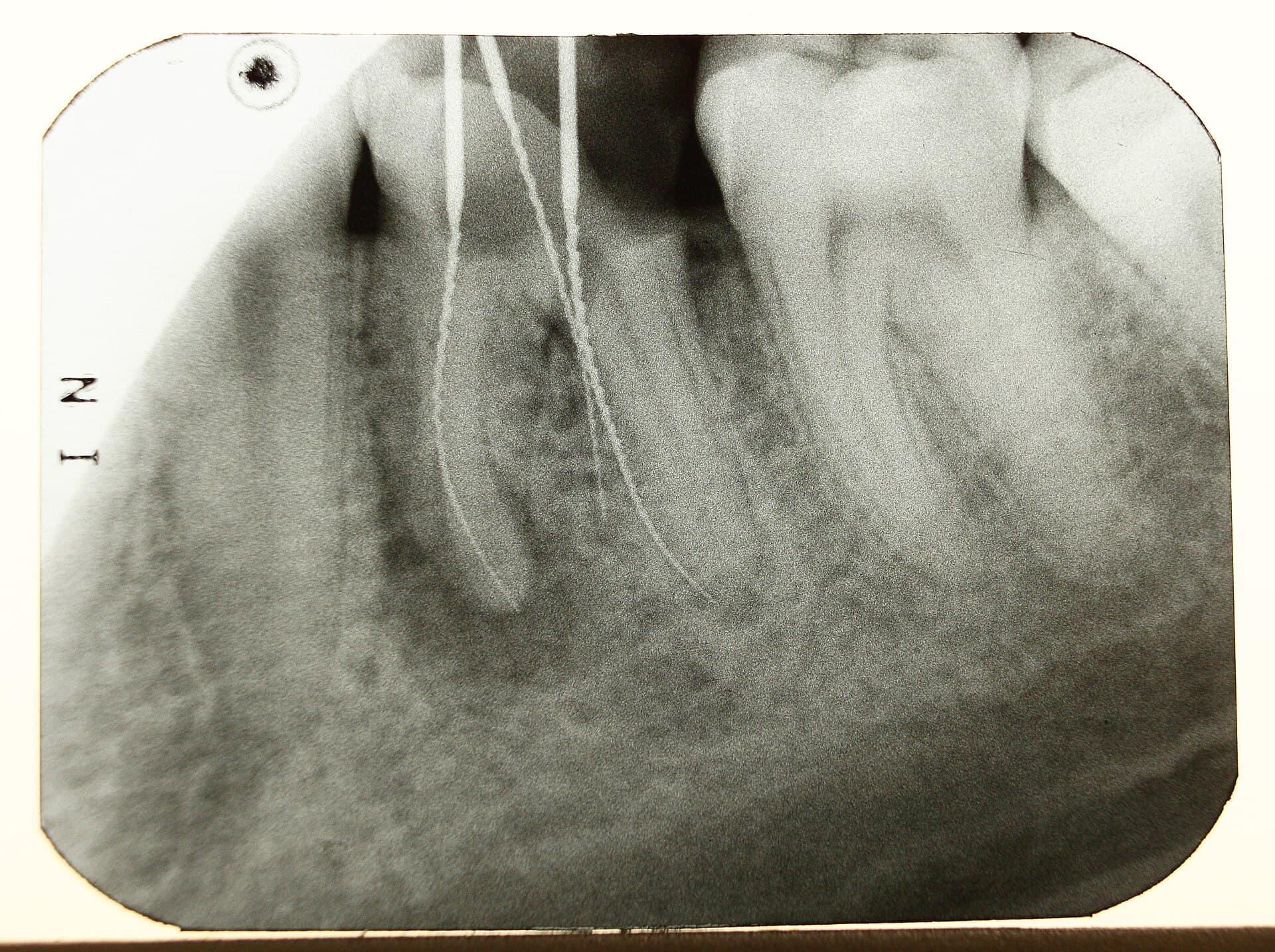
A wisdom tooth that is fully through, meets an opposing tooth, has gum you can keep clean, and has no decay can be left in and checked like any other molar. That means bitewings or a panoramic film when there is a reason, and a brush that actually reaches the back.
“I never use that corner” is a warning, not a plan. If you cannot clean it, it will not stay cheap.
Some unerupted teeth are left if they are deeply buried, away from the second molar, and silent on film. The bargain is review. A tooth that was quiet at twenty-two can grow a cyst at forty. That is not a reason to panic. It is a reason not to throw the OPG in a drawer and forget the suburb.
Pregnancy, some medical conditions, and a roster that sends you to site next week can all be reasons to delay a non-urgent surgical list. Delay is not denial. Get the film, get the plan, pick a fortnight you can swell in.
When they need to come out
Repeated pericoronitis in the same flap is a classic reason. So is decay in a wisdom tooth you will never restore well, or a cavity in the second molar that only exists because the third is leaning on it. A tooth that has no room and is chewing the cheek raw is a quality-of-life reason. An associated cyst is a surgical reason.
Acute infection changes the timing. A dentist may want the swelling down before a difficult surgical extraction, or may need the tooth out because it is the drain. That is a clinical judgement in the room, not a blog rule. Spreading swelling toward the eye or throat is a hospital problem, not a waiting-list problem.
If the alternative being sold is a heroic root canal on a badly decayed third molar, ask whether the tooth is a good long-term bet. Sometimes the kind plan is removal. Sometimes it is not. Root canal versus extraction is the broader fork; wisdom teeth are often on the extraction side because they are hard to clean and hard to restore.
Chair, referral or hospital
Simple erupted uppers often come out in a general practice under local anaesthetic. You are awake. You bite on gauze. You go home with written instructions. Relative analgesia can take the edge off if the practice offers it — see dental anxiety and sedation.
Lower impacted teeth sit against bone, the second molar, and a nerve that supplies feeling to the lip and tongue. The risk of temporary or, rarely, longer numbness is why many Perth dentists refer to an oral and maxillofacial surgeon. That is scope, not cowardice. Check the surgeon’s registration. Do not accept a borrowed specialist title on a billboard.
Four wisdom teeth in one sitting, anxious patients, and deeply impacted lowers are often planned for a day hospital or private hospital under general anaesthetic. Hospital cover may contribute to the facility and the anaesthetist. The surgical fee and the dental items can still leave a gap. Extras will not behave like hospital cover; read extras and health funds.
Public pathways exist for eligible concession patients, with wait lists that are not a rumour. Public versus private dental care in WA is the map. Ineligible adults pay privately or wait in pain until they become an emergency. That is the structure, not a moral verdict.
What a 2025–26 Perth quote should say
Ask for a written plan that separates:
- consultation and the panoramic film or CBCT, if used
- each tooth, and whether the extraction is simple or surgical
- the surgeon’s fee if referred
- the anaesthetist and facility if you are admitted
- reviews
- what is excluded — a second molar that also needs a filling, a night in hospital if you swell
Broad private estimates, as orientation only: an OPG often around a hundred to a couple of hundred dollars; a simple extraction often a few hundred per tooth; a surgical extraction more, sometimes heading toward a thousand or beyond in complex cases; a private hospital list for four teeth easily into the low-to-mid thousands once everyone is paid, and higher in some rooms. Country referrals add travel. These are not quotes.
If two plans differ by thousands of dollars, ask whether one is chair-only for two erupted teeth and the other is a four-tooth general anaesthetic. Those are different operations that share a colloquial name.
Recovery is a week, not an afternoon
Bleeding, swelling, a stiff jaw, and a diet of soft food are ordinary. Dry socket — a painful exposed bone a few days after a lower extraction — is a known complication, more common in smokers and in difficult lower sockets. Follow the written sheet. Do not poke the hole with a finger you used on a burger in Northbridge.
Time off work depends on the job. A desk in the CBD may be two days. A fly-in role, a warehouse, or a coaching job in the heat needs a more honest conversation. FIFO workers should not schedule surgical lowers the day before a camp departure.
Aftercare sits in after a tooth extraction. Read it before you are numb and optimistic.
Questions before you book the list
Use the script in questions to ask before you book, and add these:
- Which teeth, and why each one? May I leave a quiet one?
- What is the risk to the nerve, the sinus, and the second molar?
- Who operates, and where?
- What do I do if I swell on a Sunday?
- What is the total, itemised, including the facility?
Then decide. A silent, cleanable wisdom tooth is allowed to stay. A rotten, infected, un-cleanable one is not a personality test. It is a tooth.
This is general information about wisdom teeth as they are commonly assessed in Perth. It is not a recommendation to extract or retain any particular tooth. Your own films, history and written surgical plan are the documents that matter.