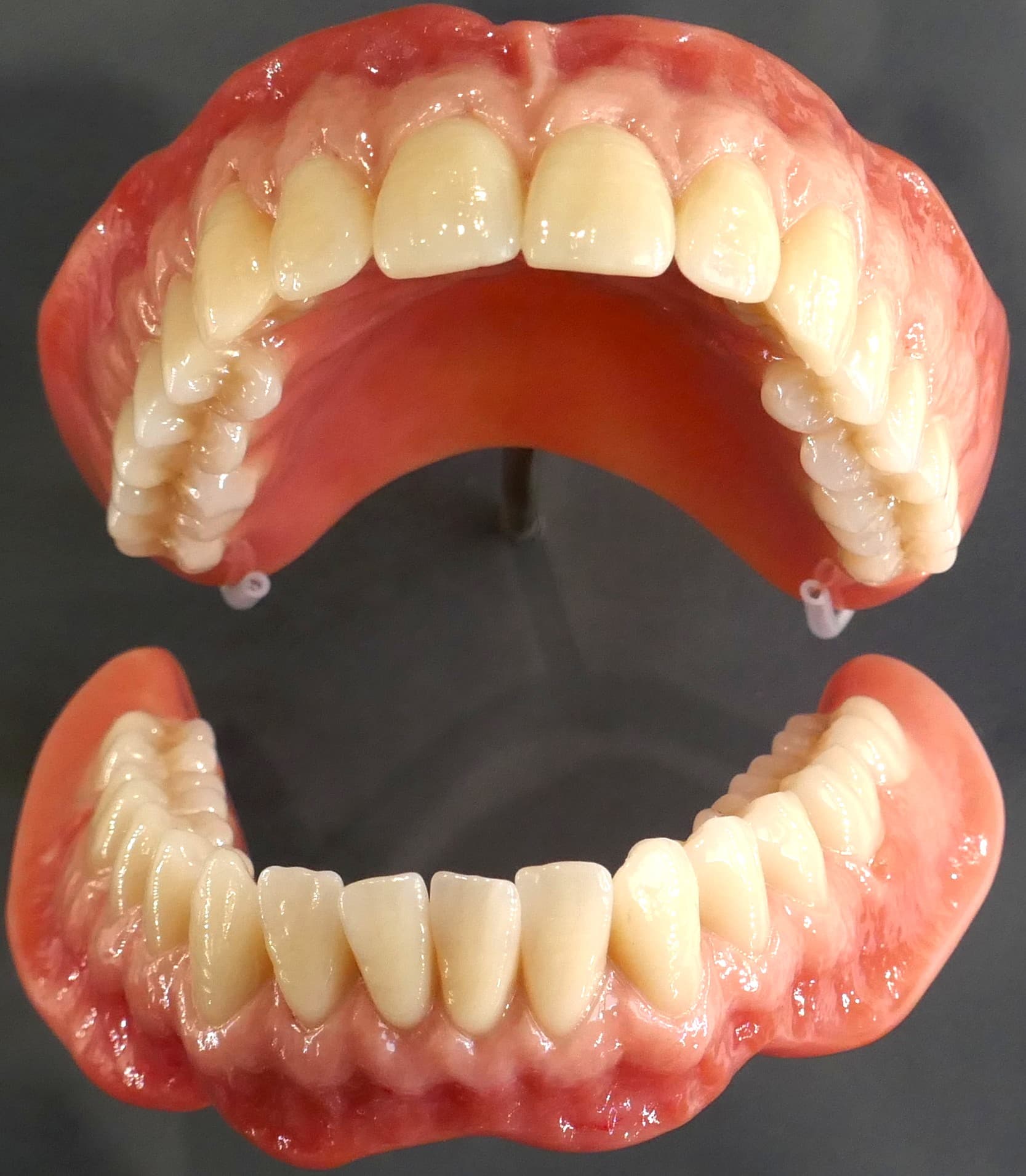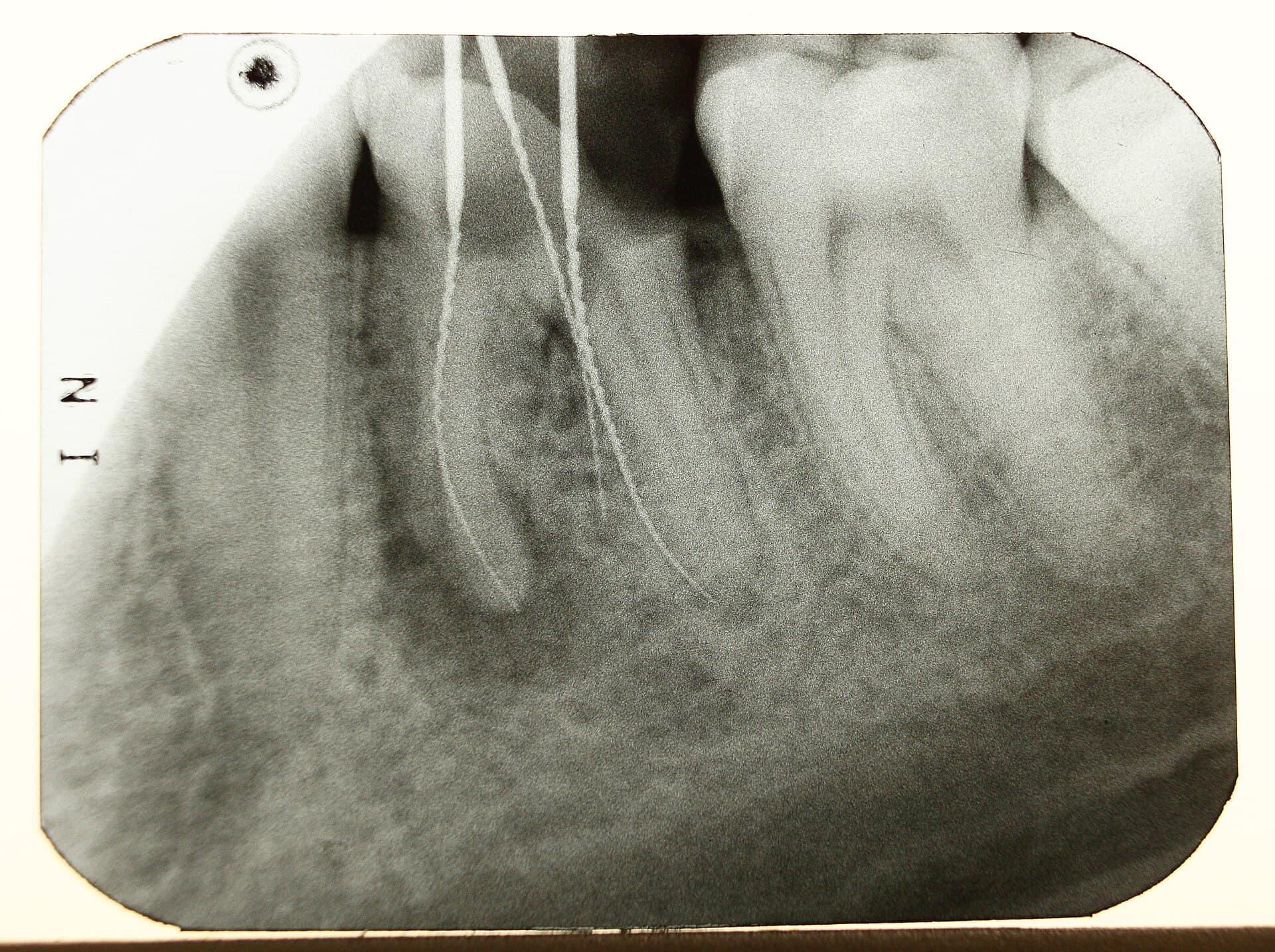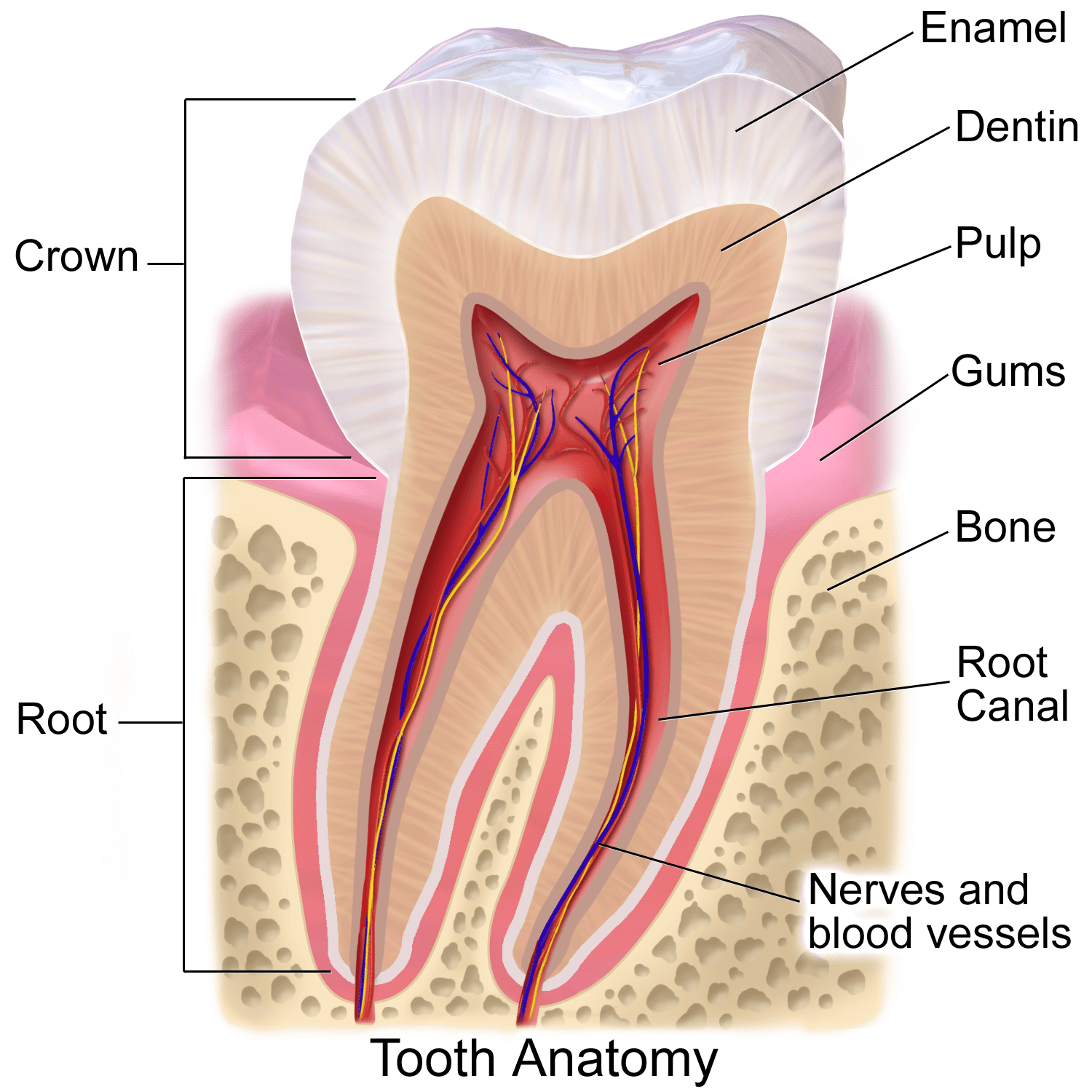
A crown is a cap that covers a tooth which no longer has the shape or strength to hold a filling. A bridge uses neighbouring teeth, or sometimes implants, to carry a false tooth across a gap. In Perth both words appear on billboards as if they were a polish. They are laboratory products. They take tooth structure to place, they cost in the thousands more often than the hundreds, and they fail in ordinary ways: decay at the margin, a ceramic chip, a cement wash-out, a neighbour that was not as strong as the brochure assumed.
This is a materials-and-visits guide, not a catalogue. Dentist Perth does not mill zirconia. If the real question is whether to keep a tooth at all, read root canal versus extraction first. If the gap is the problem, keep dentures versus implants in the next tab. The parent topic is restorative dentistry.
Why a crown gets proposed
Typical reasons, which you should hear in English:
- a tooth that has broken or has a crack the filling cannot hold
- a large old restoration that has failed
- a tooth that has had a root canal, especially a molar that chews
- a misshapen or badly worn tooth, when the aim is shape as well as strength
- an anchor for a bridge
Cosmetic crowns on otherwise sound teeth are a different conversation. That is elective reduction of enamel for appearance. It can be legitimate. It should not be sold as medically urgent at the end of a check-up. Use questions to ask before you book.
A filling is cheaper and kinder to the tooth when enough enamel remains. Ask why this tooth has crossed that line. “It would look nicer” is not the same sentence as “it will split”.
Materials, and the sentence that should follow the brand name
Perth laboratories and clinics commonly talk about:
- Porcelain-fused-to-metal: a metal core with a tooth-coloured skin. Strong, a bit more opaque, a dark line at the gum if the tissue thins. Still a workhorse on back teeth.
- All-ceramic and lithium disilicate: often used at the front for translucency. Strength has improved; it is not invincible against a night-time clench.
- Zirconia: very strong, increasingly tooth-coloured. Good on molars and on grinders. Early generations looked chalky; newer ones look less so. Still a ceramic. Still capable of wearing the opposing tooth if the bite is clumsy.
- Full metal (gold alloys): less fashionable, often excellent on back teeth. Some older patients in Nedlands still ask for it. Wear is kind. The colour is not Instagram.
Implant crowns are a related product with an abutment underneath. Their fees sit in what dental implants cost.
Ask what is being used on this tooth, why, where it is made, and what the warranty covers — ordinary fracture, colour mismatch, a remake if it does not fit. “Ceramic” is not a specification.
Same-day chairside milling exists in some private rooms. It can be excellent for a single straightforward crown. It is not automatically better than a Perth laboratory that has two weeks and a technician who looks at the bite. Ask who designs the restoration if a machine is doing the mill.
How the visits usually run
A common pathway:
- The tooth is prepared — enamel and old filling are reduced so the cap can sit. A core or build-up is placed if the tooth is a shell. A retraction cord or scan powder appears. An impression or an intra-oral scan goes to the lab. A temporary crown is fitted.
- You wear the temporary for one to three weeks. It will feel high, or it will feel fine until a seed lodges under it. You treat it as glass. You do not floss it off in a hurry without asking how.
- The laboratory crown is tried in, adjusted, and cemented or bonded. You check the colour in daylight, not only under clinic LEDs.
A bridge adds preparation of the teeth on either side of the gap — unless those abutments are implants. That is the clinical cost of a conventional bridge: two teeth are crowned to replace one. If those neighbours were virgin, you should hear that trade-off out loud.
Some plans insert an extra visit for a try-in, a shade check, or a core after a root canal. Some teeth need crown lengthening — a small gum or bone procedure — before a crown can grip. That is another invoice and another fortnight.
FIFO workers should say the roster. A temporary that must last a three-week swing needs to be planned, not hoped. A recement in Newman is not a recement in Subiaco.
What it costs, as 2025–26 estimates
Broad private Perth ranges, for orientation only:
- Single crown: commonly around one thousand five hundred to three thousand dollars, sometimes less in a modest room, sometimes more for a front tooth with a fussy shade or a specialist prosthodontist.
- Core or post and core: several hundred to around a thousand on top.
- Conventional three-unit bridge: often toward the mid thousands, roughly in the territory of two to three crowns plus the pontic, and easily more.
- Temporary, recement, and night guard: extra lines people forget.
Public and concession pathways, where they exist, use different schedules and waits. Public versus private dental care is the map. Extras may pay a slice after a twelve-month major-dental wait; annual limits are often smaller than one crown. The extras guide is required reading before you treat a “gap of $200” verbal as a contract.
These are not quotes. Get item numbers.
How long they last, and how they fail
Five to fifteen years is a honest popular range for a well-made crown in a mouth that is cleaned and not used as a bottle opener. Some last decades. Some last eighteen months because the margin was short, the patient never came back for a clean, or a night-time grind met a thin ceramic.
Failure modes:
- decay at the edge, where the crown meets the tooth
- cement wash-out, a smell, a crown that “feels high” then spins
- ceramic fracture
- the tooth splitting underneath, especially if it was already a tube after a canal
- gum recession that shows a dark line
- a bridge abutment that dies or loosens
Hygiene is not a lecture. A bridge needs a threader or a bottle brush under the false tooth. A crown needs the same brush you needed before, plus an edge you can feel. Preventing gum disease and how often to scale and clean sit beside this piece for a reason.
If you grind, ask for a guard. A three-thousand-dollar molar against an unopposed enamel antagonist at 2 a.m. is a donation to the lab.
Bridges versus the other ways to fill a gap
A conventional bridge is fast relative to an implant: no healing months, no fixture. It is destructive relative to an implant if the neighbours are sound. It is often cheaper than a single implant all-in, and more expensive than a partial denture.
An implant does not grind the neighbours. It needs bone, time and a larger cheque. A denture is removable and kinder to the wallet in year one. Those comparisons belong in dentures versus implants.
Ask what happens if the bridge fails. Replacing a three-unit bridge is not a polish.
Before you book the laboratory
- Why a crown, not a filling or an onlay?
- Which material, which lab, which warranty?
- What is the all-in fee, including core, temporary and fit visit?
- What do extras pay, on these item numbers?
- How long will the temporary have to last, given my roster?
- What is the plan if I clench?
If the first visit leapt from a stain to a six-unit smile, take the plan home. A second opinion is ordinary. So is saying no.
This is general information about typical crown and bridge pathways and 2025–26 Perth fee ranges as estimates. It is not a quote and not a recommendation to crown any tooth. Your own examination, films and written laboratory plan are the documents that matter.