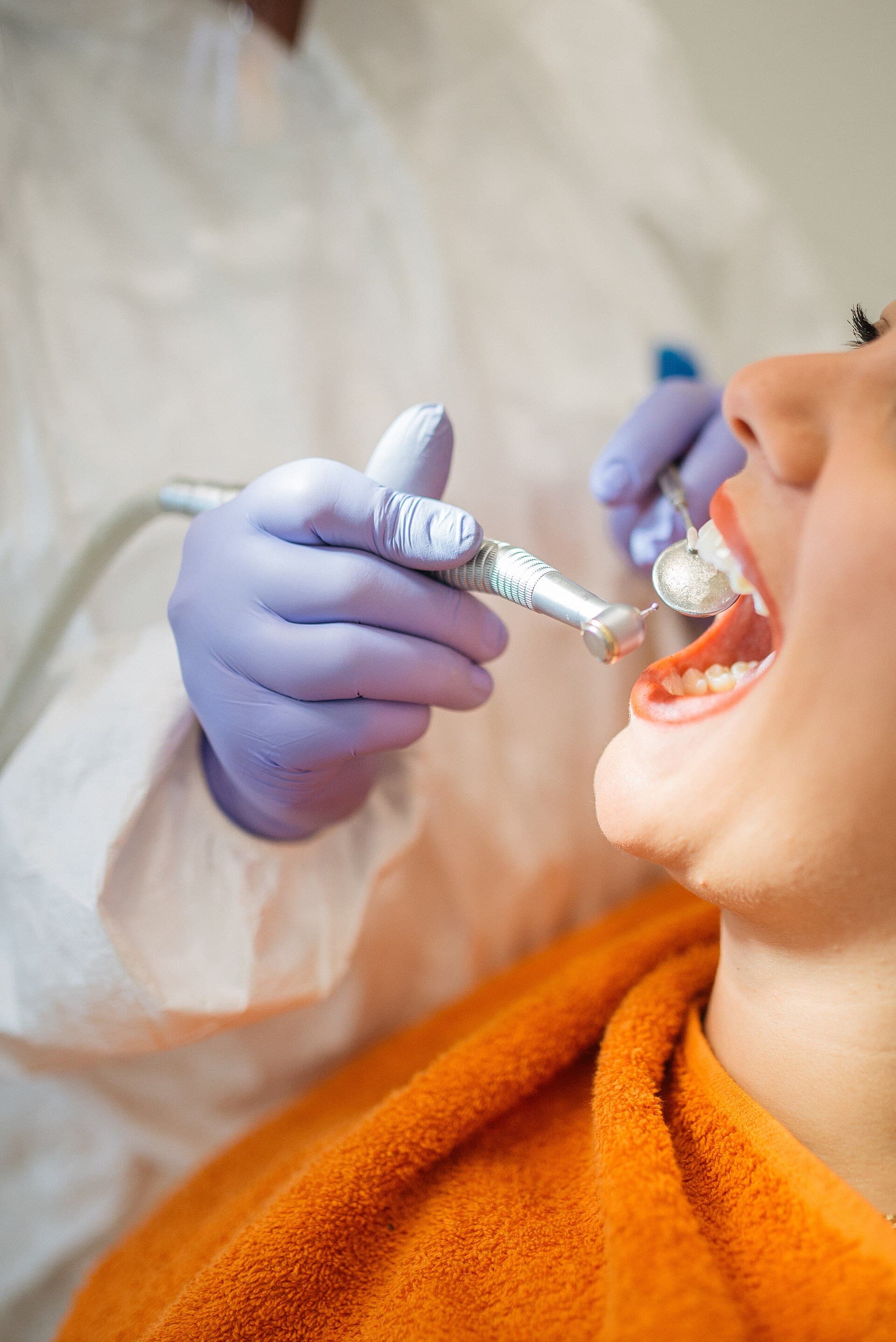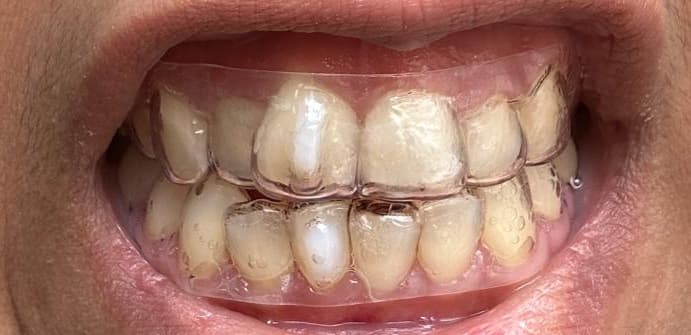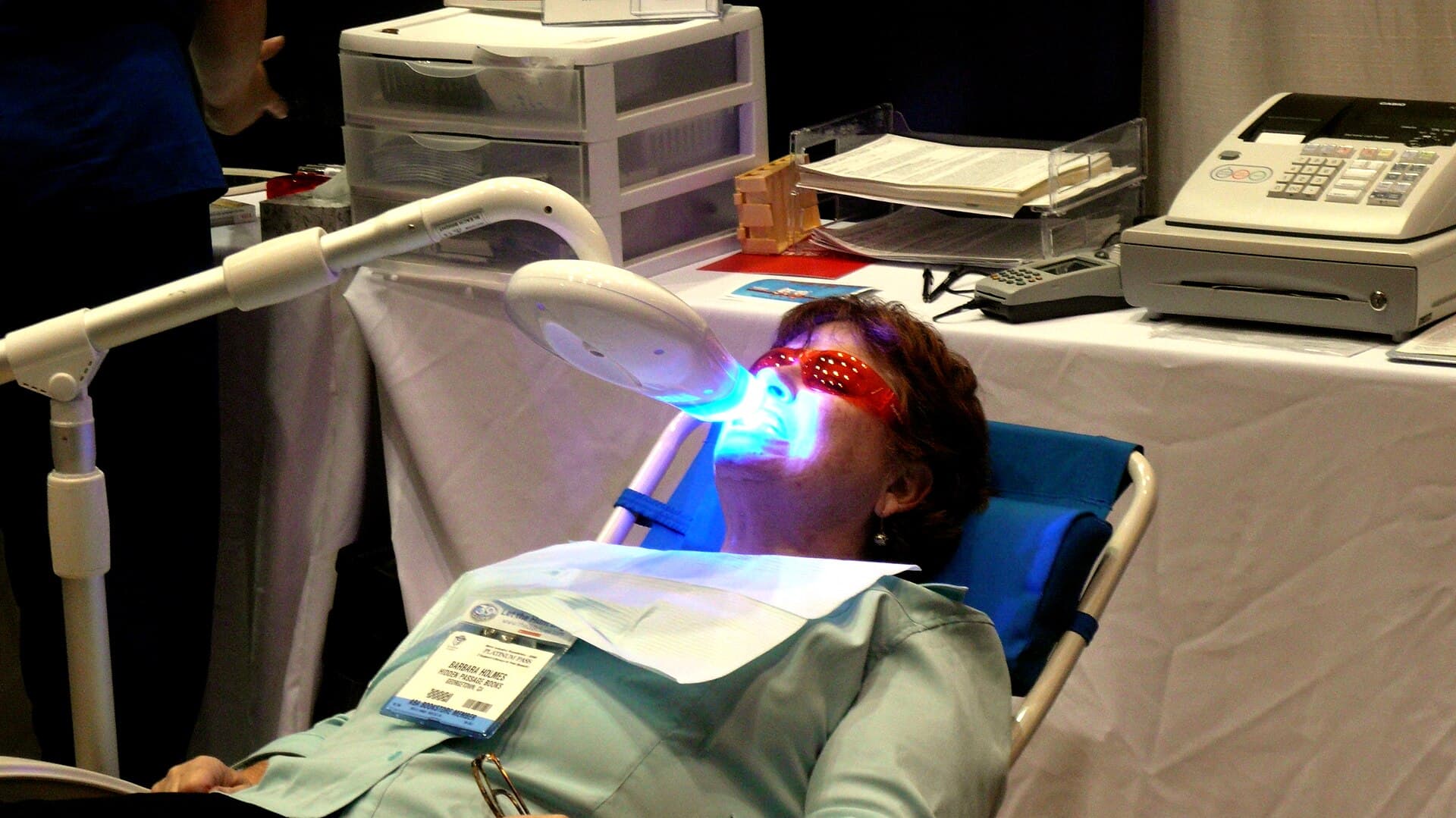
Perth cosmetic dentistry sells three different jobs as one feeling: a brighter, even, camera-ready smile. Whitening changes the shade of natural enamel. Bonding adds composite resin to chip, close a small gap, or mask a mark. Veneers cover the visible face of a tooth with porcelain or composite, often after enamel has been cut to make room. The marketing language on both sides of the river is identical. The biology is not.
This is a decision guide, not a gallery. Dentist Perth does not book smile makeovers. If colour is the only complaint, read teeth whitening in Perth first and come back if a polish and a tray will not do the job. If you still need a practice, how to choose a dentist in Perth is the method. The cosmetic dentistry hub sits beside preventive care for a reason: a veneer on an inflamed gum is a pretty failure.
Start with the defect, not the package
Write down the actual problem. A single chipped front tooth from a Claremont netball final is a different brief from four yellow laterals and a midline gap you have disliked since Year 10. Crowding, a deep bite, or a tooth that sits in front of its neighbour is often an alignment problem. Aligners or braces change position. Veneers change the appearance of position by building out a face. That can look fine in a still photograph and wrong when you speak.
Ask the dentist to separate:
- colour that bleaching can shift
- shape or small chips that bonding can add to
- enamel that is already so thin, stained or broken that a cover is the honest option
- gum and bone problems that no ceramic will fix
- bite problems that will pop a veneer off in eighteen months
If the first visit produces a quote for ten porcelain veneers and no written note about your gums, your night-time grind, or the crowns you already have, you are in a sales meeting. Irreversible work deserves a pause and, for a full-arch plan, a second opinion. That is ordinary in Nedlands and in Rockingham. It is not disloyal.
Whitening is the reversible conversation
Peroxide on intact enamel is still chemistry, and it still stings some people, but it does not commit you to a lifetime of replacements. It also does not change porcelain, most composites, or a grey tooth whose nerve has died. The useful sequence in many mouths is: treat decay and gum disease, bleach the natural teeth, then match any new bonding or ceramic to the new shade.
People skip that sequence because a “veneer consult” is booked as a mood and bleaching feels like a lesser product. It is not lesser. It is the only one of the three that leaves the tooth largely as it found it. Broad Perth private fees for dentist-supervised whitening in 2025–26, as estimates, often run from the mid hundreds into the low thousands depending on trays versus in-chair. That is still a fraction of a veneer set.
If the complaint is “my teeth look dull in office lighting on St Georges Terrace”, start here. If the complaint is “this incisor is a different shape from the other one”, bleaching will only make two different shapes brighter.
Bonding is additive, until it is not
Composite bonding — sometimes called composite veneers when it covers a whole face — is tooth-coloured resin, placed and shaped in the chair, polished, and paid for without a laboratory in many cases. It can repair a chip, close a small diastema, mask a white spot, or build out a slightly short tooth. In skilled hands it is conservative. Enamel is etched. Little or no drilling is needed for a small add-on.
It is also a material with a personality. Composite stains faster than porcelain, especially if you live on long blacks and a Friday shiraz. It chips. It needs polish and repair. A bonding job that looks seamless in month one can look chalky by the second summer unless someone maintains it. That is not a reason to avoid it. It is a reason not to sell it as permanent.
Broad Perth private fees, as 2025–26 estimates only: a small chip repair might sit in the low-to-mid hundreds of dollars; more extensive bonding per tooth often runs from several hundred into the low thousands; a set of composite veneers across the smile zone is commonly several thousand dollars and sometimes more. Your invoice will differ. The fee is not a quality rating.
Ask how the dentist expects the material to age, how often they want to see you for polish, and what happens if you grind. A night guard is not an upsell if the plan is to put resin on the edges of upper incisors in a city full of stress and shift work.
Bonding can be repaired. That is its advantage over porcelain. It can also be overbuilt, bulky at the gum, and hard to clean. Bulk at the gum is how you buy gingivitis with your new smile.
Porcelain veneers are a cover, and often a one-way door
A conventional porcelain veneer is a thin ceramic facing, made in a laboratory or milled, bonded to the front of a tooth. To make room for even a thin ceramic, the dentist usually reduces enamel — a fraction of a millimetre that sounds small in a consult and is gone forever once the handpiece has run. Temporary veneers go on. You live with them for a week or two. The finals are tried in, adjusted, bonded.
“Minimal prep” and “no-prep” veneers exist. They are not a personality type you can request from a brochure. They depend on the starting position of the tooth, the desired shape, and whether adding bulk will make the tooth look horsey or uncleanable. Ask what will be cut on your enamel, not what a course in another city advertised.
Porcelain holds a shade and a gloss better than composite. It is also less forgiving to repair. If a veneer chips, the options are polish, a composite patch that never quite matches, or replacement. If the bond fails, the veneer comes off in a piece of toast or a piece of apple. If the tooth under it decays at the edge, you may be looking at a crown next.
Broad Perth private fees for porcelain veneers in 2025–26, as estimates, often run from about a thousand dollars per tooth into several thousand per tooth once the laboratory, temporaries and planning scans are counted. A six- or eight-tooth “smile” is a five-figure conversation in many rooms. Finance forms in the same appointment as the consult are how people skip the overnight sit-down they needed.
Crowns are not veneers. A crown wraps the tooth. It is the honest restoration when there is not enough enamel left to stick a facing to, or when a fracture demands it. Calling a crown a veneer in a quote is a language problem. Ask which one you are being sold.
Irreversible prep is the sentence to sit with
Once enamel is reduced for a veneer, that tooth will always need a restoration. You cannot “go back to natural” in any meaningful sense. Future dentists inherit the margins. Future you inherits replacements every decade or two, sometimes sooner if you grind, play sport without a mouthguard, or get decay at the edge.
That is acceptable if the starting tooth is already broken, heavily filled, or so discoloured that conservative options have been tried. It is a poor trade for a shade you could have bleached, or for a gap an aligner might have closed.
Young adults are the group to slow down. Enamel on a twenty-two-year-old is a long asset. A full set of veneers at that age is a forty-year maintenance contract, not a wedding-week accessory. If the pressure is a photograph, ask whether bonding or whitening will hold for the event, then decide about ceramic when the album is on a shelf.
Get the plan in writing. Get photographs and, where relevant, a diagnostic wax-up or digital preview you can look at away from the chair. Another dentist can read those records. Two competent people sometimes disagree about how much enamel to cut. You are allowed to hear both.
Maintenance is the part the gallery skips
Ceramic and composite both need clean margins and healthy papillae. That means floss or interdental brushes around new contact points, a clean you can actually complete on a weeknight in Vic Park, and reviews. Porcelain is not “set and forget”. The cement line is a place decay likes. So is the edge of bonding that has picked up stain.
Night-time grinding is common in Perth. So is a mouthguard left in a gym bag. If you clench, budget for a splint and for the chance that edges will chip anyway. If you play AFL, hockey or weekend cricket, a custom mouthguard that fits the new shape is part of the fee, not an optional extra after the first broken facing.
Whitening after veneers will not even the smile; it will un-even it. Top-up bleaching is for remaining natural teeth, planned so they do not outrun the ceramic. Recementing or replacing a veneer years later will attract another laboratory bill. Ask, at the start, what the practice charges for a remake when the ceramic fails through ordinary use, and what it charges when you bite a crumpet.
Gum health is not a prelude. It is the job
A veneer or a bonding shelf sitting on swollen, bleeding gum will look wrong within months. The ceramic does not get gingivitis. The tissue around it does. Periodontitis will keep going under a pretty face. If your gums bleed, if teeth have moved, if you have bad breath that does not match your hygiene effort, you need a periodontal assessment more than you need a shade tab.
Treat active disease first. That can mean a scale that is not a spa clean, home care that is specific, and time. Our piece on preventing gum disease is the unglamorous companion to this one. Cosmetic work on untreated inflammation is how people pay twice.
Pregnancy, diabetes, smoking and some medicines change gums. Tell the practice. A pregnancy oral health visit is a check-up, not a smile consult. Elective ceramic can wait for a mouth that is not already doing extra work.
Extras, quotes, and the quiet gap
Hospital cover will not pay for a cosmetic facing. Extras may contribute if the item is coded as a repair to a damaged tooth rather than as an elective veneer — or they may not. Annual major-dental limits in Perth routinely fail to cover a single porcelain unit, let alone a set. Read health fund extras in Perth before you treat a membership card as a discount on ceramic.
Ask for ADA item numbers. Call the fund with those numbers. Compare the gap to the written clinic fee. If the two stories diverge, someone is guessing. Preferred-provider lists that make a clean look free do not make a laboratory invoice look free.
If the plan is more than a couple of teeth, ask whether a staged approach is possible: bleach and one bonding repair this year, review next year. Cosmetic urgency is rarely biological urgency.
A short method before anyone picks up a handpiece
- Name the defect in ordinary language — colour, chip, gap, rotation, wear.
- Exhaust whitening if colour is the main complaint and the enamel is intact.
- Ask whether bonding can add, rather than whether ceramic can cover.
- If veneers remain, ask how much enamel will be cut, and whether the case is truly minimal-prep.
- Confirm gum health, grinding, sport and existing crowns in the same plan.
- Sit overnight with a written fee, item numbers, and a remake policy.
Then book the conservative option you can maintain on a bad freeway day, not the gallery you cannot floss.
This is general information about cosmetic options as they usually present in Perth, not a recommendation to bleach, bond or cut enamel. Your own teeth, gums and bite decide; a smile package does not.